




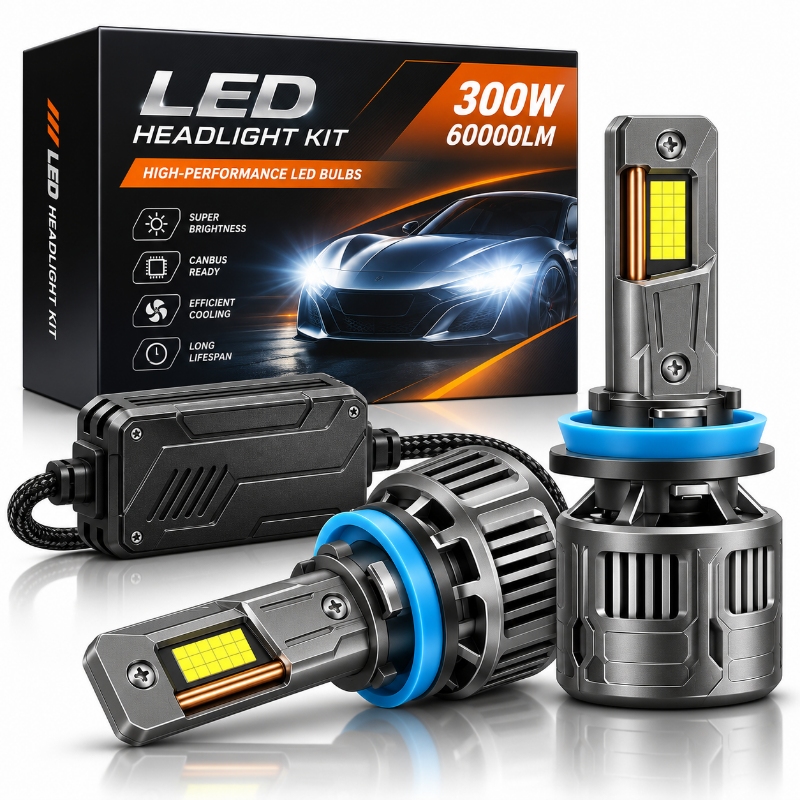


LED headlights usually flicker for one of four reasons: the car's CANbus system does not recognise the low power draw, the voltage supply is unstable, a connection is loose, or the bulb is overheating. Most cases are fixed by adding a CANbus decoder, checking the wiring and earth connections, or improving airflow around the heatsink. Never work on headlight wiring with the lights powered on.
Cause 1: CANbus detection
Modern cars monitor the current drawn by each bulb. An LED draws far less current than the halogen bulb it replaces, so the car may think the bulb has failed — and respond by cutting power on and off, which you see as flicker, or by showing a dashboard warning. The fix is a CANbus decoder (also called an error canceller or anti-flicker harness), which presents the expected load to the car.
Cause 2: Voltaje inestable
A weak battery, a failing alternator, or a poor earth connection makes the voltage at the lamp fluctuate, and LEDs show that fluctuation as flicker far more visibly than halogen bulbs do. Check the battery voltage with the engine running — it should be steady — and inspect the earth points for corrosion. If the flicker changes with engine speed, suspect the charging system, no la bombilla.
Cause 3: Loose or corroded connections
A connector that is not fully seated, a pin that has backed out, or corrosion inside the plug interrupts the circuit intermittently. This is the most common cause of flicker on one side only. Reseat every connector, check that the locking tab clicks, and clean any green or white corrosion from the terminals before replacing parts.
Cause 4: Overheating
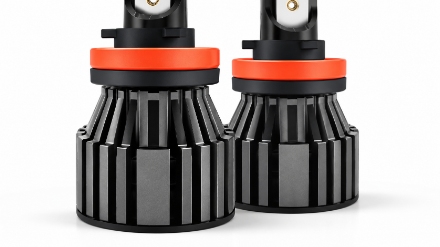
An LED bulb that cannot shed heat dims and can flicker as its driver throttles output to protect the chip. Common triggers: the heatsink or fan is blocked by the dust cover, the lamp housing has no airflow, or the bulb was fitted without its cooling fan connected. Check that the fan spins freely and that the dust cover is not pressing against it. If the housing is sealed tight, a bulb with a smaller heatsink or an external driver may fit better.
Troubleshooting, in order
- Swap sides. Move the flickering bulb to the other headlight. If the flicker follows the bulb, the bulb or its driver is faulty. If it stays on the same side, the fault is in that side's wiring or power supply.
- Check the connectors. Reseat and clean them.
- Add a decoder. If the car has CANbus monitoring and no decoder is fitted, fit one.
- Check voltage and earth. Look for corrosion and test with the engine running.
- Check cooling. Make sure the fan runs and the heatsink has air around it.
- Seek a professional. If the flicker affects both sides and follows no pattern, have the charging system and headlight circuits tested.
Preguntas frecuentes
Is flickering dangerous?
It is a warning sign, not an immediate emergency, but a flickering headlight is less visible to others and may fail a roadworthiness check. Fix it before relying on the car at night.
Will a resistor fix flickering?
A load resistor can fix CANbus-related flicker by simulating the halogen bulb's current draw, but it generates heat and must be mounted on metal, away from plastic and wiring. A proper decoder is usually the cleaner solution.
Do LED headlights flicker when they are dying?
Yes — a failing driver or a degrading chip can flicker before it fails completely. If the bulb flickers on both sides of the car in turn, suspect the bulbs, not the car.