






LED lighting stock should be stored dry, cool and uncrushed, and displayed by socket size and vehicle type — not by brand. The best displays let a customer find the right bulb in seconds: a board organised by H7, H11, H4 and 9005/9006, a beam-pattern comparison photo, and a working demo lamp. Stock that sits in a damp warehouse or a confusing shelf is stock that does not sell.
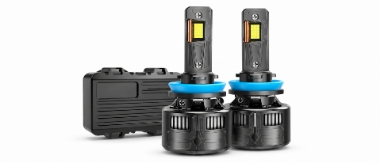
Storage: the basics
- Dry: moisture damages packaging and, over time, connectors and drivers. Keep stock off the floor on racking, and away from exterior walls that sweat.
- Cool and stable: avoid heat sources and direct sunlight through windows. Extreme heat ages packaging and can affect the driver's electronics.
- Uncrushed: do not stack heavy boxes on top of lighting cartons. Crushed packaging means crushed lamps, and a crushed box cannot be sold at full price.
- Anti-static: LED drivers are sensitive to static discharge. Keep stock in its original anti-static packaging until it is sold, and avoid dragging cartons across carpeted floors.
- First in, first out: rotate stock so the oldest boxes sell first. LED technology changes fast, and a two-year-old box is a hard sell.
Display: organise by what the customer knows
A customer walks in knowing their car, not your brand list. Organise the display the way they think:
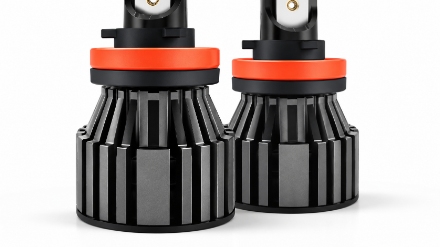
- By socket size: H7, H11, H4, 9005, 9006 — the five sizes that cover most cars — each with its own section.
- By vehicle type: a small section for trucks (24V) and one for motorcycles, so those customers do not have to hunt.
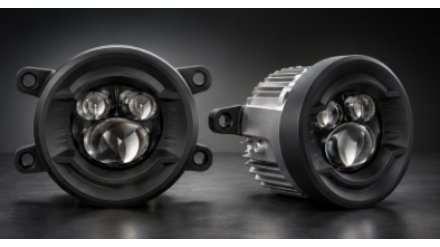
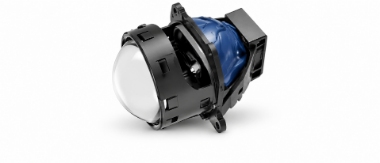
- By use: headlights in one area, Faros antiniebla in another, projector lenses in a third.
- By price tier: entry, mid-range and premium clearly marked, so a customer can choose by budget without asking.
What makes a display sell
- A working demo lamp: a switched-on bulb in a small dark box shows the beam pattern far better than any photo. One demo unit can sell the whole range.
- A beam-pattern comparison: a simple printed photo showing a clean cutoff versus a scattered beam explains why a better bulb costs more.
- Clear compatibility notes: a chart on the wall showing which socket fits which popular car models saves your staff time and prevents wrong purchases.
- The box facing out: the box is the brand. Face it forward, keep it clean, and do not stack display stock so deep that the front box is hidden.
Handling slow stock
- Track sell-through per SKU and review it monthly. A size that has not moved in three months is a candidate for a discount or a bundle.
- Bundle slow sizes with fast ones: a fog lamp with the matching headlight bulb, for example.
- Move slow stock to the front for a month before discounting — sometimes it is a visibility problem, not a demand problem.
- Ask your supplier for display materials, posters or a demo unit before spending your own money on them.
Preguntas frecuentes
How long can LED bulbs sit in storage?
There is no fixed expiry, but packaging ages and technology moves on. Aim to sell through within 12 months, and rotate stock first in, first out.
Should I display the actual bulb or just the box?
Both: the box on the shelf, and one opened demo unit in a display case or a demo box. Customers want to see the build quality before buying.
What is the most common display mistake?
Organising by brand instead of by socket size. The customer knows their car needs an H7 — they do not know which brand you stock.