






There is no single lead time for custom car lights, because the timeline depends on whether tooling is needed, how complex the design is, and how large the order is. The process has five stages — sampling, tooling, production, testing and shipping — and each stage has its own variables. The fastest way to get an accurate date is to give the factory your drawings, quantities and target delivery date, and ask for a stage-by-stage schedule in writing.
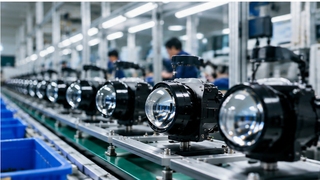
Stage 1: Muestreo
The factory builds a sample from your drawings or from a reference product. This stage confirms the design, the fitment, the beam pattern and the finish. If the sample needs changes, each revision adds a round of sampling. To keep this stage short: send complete drawings, a reference sample if you have one, and clear notes on what must match and what can change.
Stage 2: Tooling
If the design needs new moulds — for the housing, the lens or a custom bracket — tooling is usually the longest single stage. Simple parts need simple moulds; a new projector lens or a complex housing needs more. Tooling time also depends on the factory's mould shop schedule. If your design can use an existing housing with only cosmetic changes, this stage can shrink or disappear.
Stage 3: Production
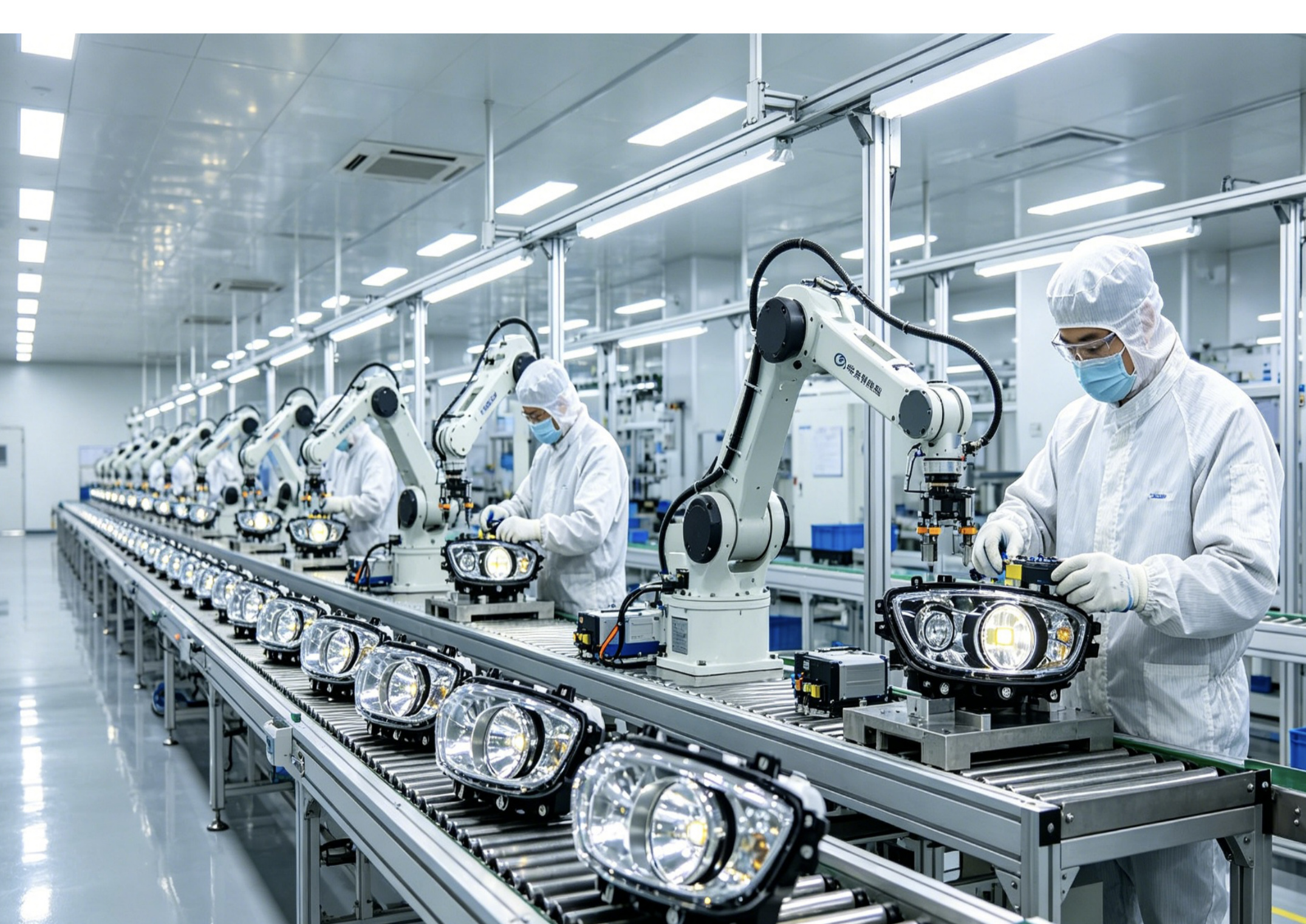
Production time depends on quantity, on how many parts are made in-house versus bought in, and on the factory's current order book. Larger orders take longer, but the time per unit falls. Ask whether the factory runs production in batches and whether your order can be split — an early partial shipment can be useful if you need stock quickly.
Stage 4: Testing and quality control
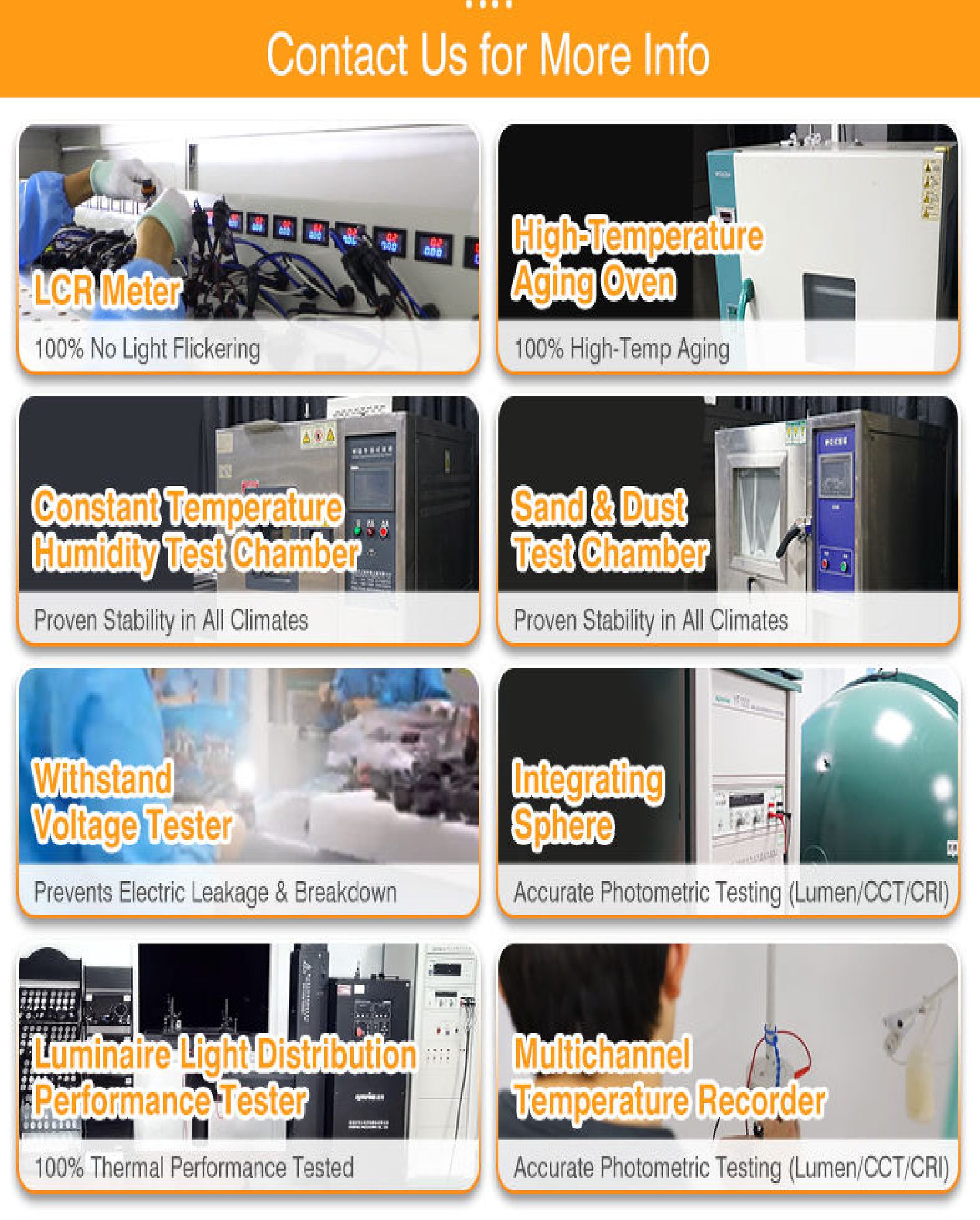
Before shipping, the factory should test the beam pattern, Impermeabilización, electrical function and finish on a sample of the batch. This stage protects you from a full shipment of defective goods. Agree in advance which tests are done and what the acceptance standard is — for example, the beam-pattern cutoff and the IP test result.
Stage 5: Shipping
Shipping time depends on the destination, the method (sea, air, or express) and customs. Sea freight is cheapest for large orders and slowest; air is fastest and most expensive. Build customs clearance time into your plan, and confirm who handles export documents.
What shortens the timeline
- Use an existing housing with only logo, packaging or colour changes.
- Send complete, correct drawings the first time.
- Approve samples quickly — every day of delay at your end moves delivery by a day.
- Order early and avoid peak seasons if you can.
- Ask for a written schedule with dates for sample, tooling, production and shipping, and a named contact for updates.
What to confirm with the factory
- Sample lead time and how many revisions are included.
- Whether new tooling is needed, and its cost and time.
- Production time for your exact quantity.
- Which tests are done and what the pass standard is.
- Shipping method, cost and who handles customs.
- What happens if a stage slips — and how you will be told.
Preguntas frecuentes
Why does tooling take so long?
A mould is a precision steel tool that must be machined, polished and tested. Complex shapes take longer, and a mould that fails its first trial needs rework.
Can I get a partial shipment early?
Often yes. Ask the factory whether production can be split into batches and whether the first batch can ship while the rest is still being made.
How do I avoid delays?
Send complete drawings, approve samples fast, and agree on the schedule in writing before production starts. Most delays come from unclear requirements or slow approvals, not from the factory floor.